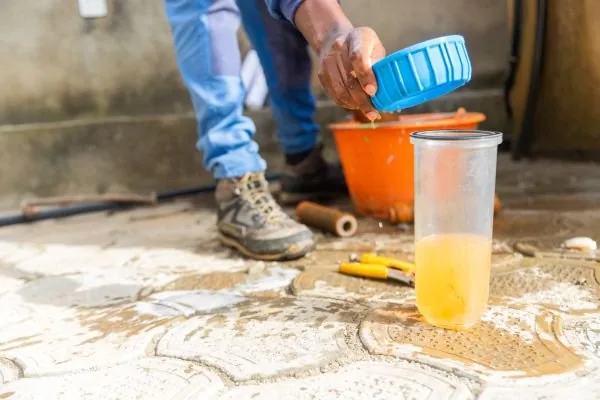
Water Damage Restoration
Extraction, structural drying and moisture verification after burst pipes, appliance failures and basement flooding.
Learn more →One number, answered around the clock, connecting you with independent restoration contractors who work the Front Range every day.
Water damage here is seasonal and it is predictable. Between December and February the dominant cause is frozen and burst pipes: Denver's overnight lows drop below freezing on roughly 150 days in an average year, and the enormous daily temperature swing means pipes in unheated crawlspaces, garages and exterior walls freeze at 2 a.m. and thaw by lunchtime. The split happens on the freeze. The flood happens on the thaw, often while nobody is home.
In March and April it shifts to snowmelt. Warm days on top of a heavy snowpack push water through window wells, foundation cracks and the expansive clay soils that most of the Front Range sits on. July and August bring monsoon thunderstorms that drop an inch of rain on a neighborhood in twenty minutes, overwhelming storm drains and sump pumps. And from May through September, hail is the single biggest property-claim driver in the state — a roof that loses its granules in a hailstorm starts leaking in the next rain, not on the day of the storm.
The one thing Colorado gives you back is drying weather. The semi-arid climate and low indoor humidity mean dehumidifiers work harder here than they would on the Gulf Coast, and a clean-water Class 1 job often dries in two to three days. That advantage disappears the moment water reaches a finished basement, which most Front Range homes have.
Mold does not need standing water. It needs damp organic material — drywall paper, carpet pad, cabinet particleboard — and it can begin colonizing within 24 to 48 hours. That window is the reason restoration professionals treat the first day as the critical one, and it is the reason a $2,000 extraction and drying job becomes a $10,000 tear-out and remediation job if it is left over a long weekend.
If you have water in the house right now, the order is: stop the source at the main shutoff, cut power to the affected area at the breaker if you can do it safely, photograph everything before you touch it, and then call. Detailed steps are in our burst pipe guide, and the mold timeline is covered in how long water damage takes to turn into mold.
Emergency Restoration Hub is a referral service, not a restoration company. We connect property owners across Denver, Aurora, Lakewood, Boulder and the wider Front Range service area with independent contractors who do this work daily.
We are deliberately specific about two things most restoration sites are vague about. First, what it costs — with real IICRC line items, not a "free estimate" placeholder. Second, how insurance actually works, including the exclusions that catch people out and the documentation adjusters expect to see. Nobody here can promise your claim will be approved. What we can do is tell you what tends to get claims paid and what tends to get them denied.
Water migrates into drywall, subfloor and framing by the minute. Getting extraction started the same day is the single biggest lever on your final bill.
Real IICRC S500 categories and drying classes, real line items, real Front Range ranges — not a flat rate invented over the phone.
Freeze-thaw pipe bursts, spring snowmelt in basements, monsoon downpours and hail. The failures here are seasonal and predictable.
This is a referral service. We connect you with independent restoration contractors — we do not send our own crew, and we say so.
Extraction, structural drying and moisture verification after burst pipes, appliance failures and basement flooding.
Learn more →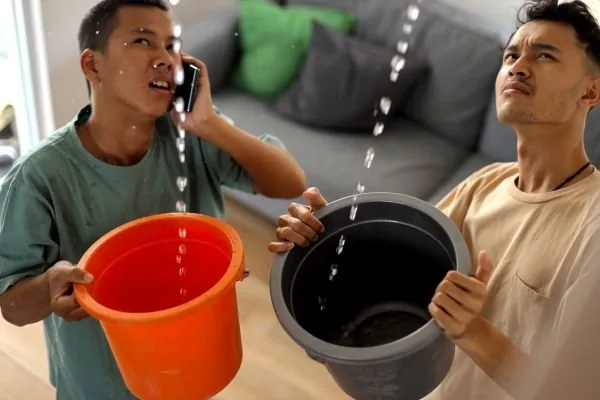
Soot removal, odor control and cleanup of the firefighting water that usually does more damage than the flames.
Learn more →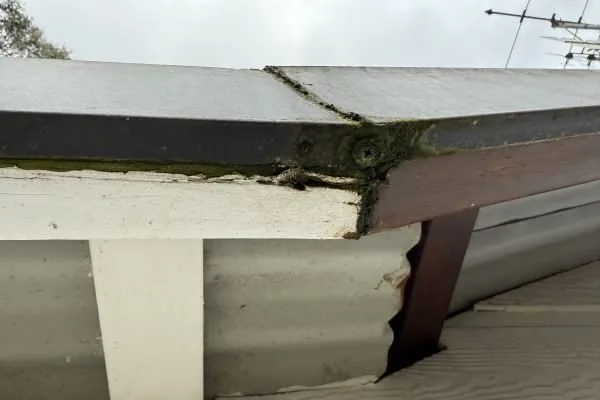
Containment, removal and moisture-source correction when water sat long enough for mold to take hold.
Learn more →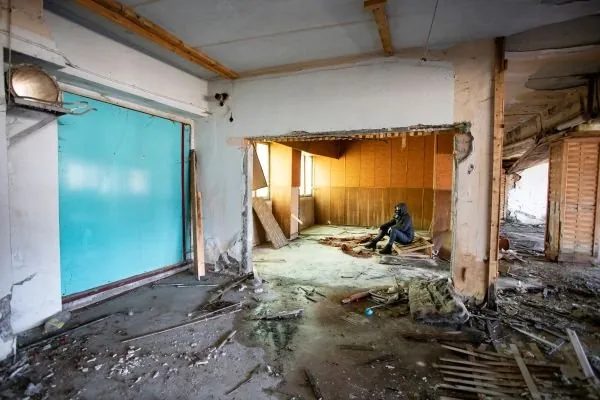
Roof tarping, water intrusion cleanup and documentation after Front Range hail and wind events.
Learn more →
Category 3 backups handled with containment, full removal of porous materials and disinfection.
Learn more →
Air movers, dehumidifiers and daily moisture readings until framing, subfloor and drywall hit dry standard.
Learn more →Faster than most people expect. Mold can begin germinating in damp materials within 24 to 48 hours, and clean Category 1 water can degrade toward contaminated Category 2 in about the same window. Every hour standing water sits, it wicks further into drywall, carpet pad and subfloor, which turns a drying job into a tear-out job.
No. We are a lead-generation service. We take your call, work out what you are dealing with, and connect you with an independent restoration contractor covering your area. The contract for the work is between you and that contractor, and we do not independently verify their licensing or insurance.
Most Colorado jobs land between $1,500 and $8,000, with a Denver-metro average near $2,500 to $3,000. Severity, water category and how fast drying starts move the number far more than which city you live in. Our cost guide breaks it down by category, drying class, room and repair item.
The line is monitored 24 hours a day, every day, because burst pipes do not wait for business hours. What we cannot promise is a guaranteed arrival window. Contractor availability varies by area and by how many calls a storm or a cold snap has generated that night.